It feels so exciting to finally share that
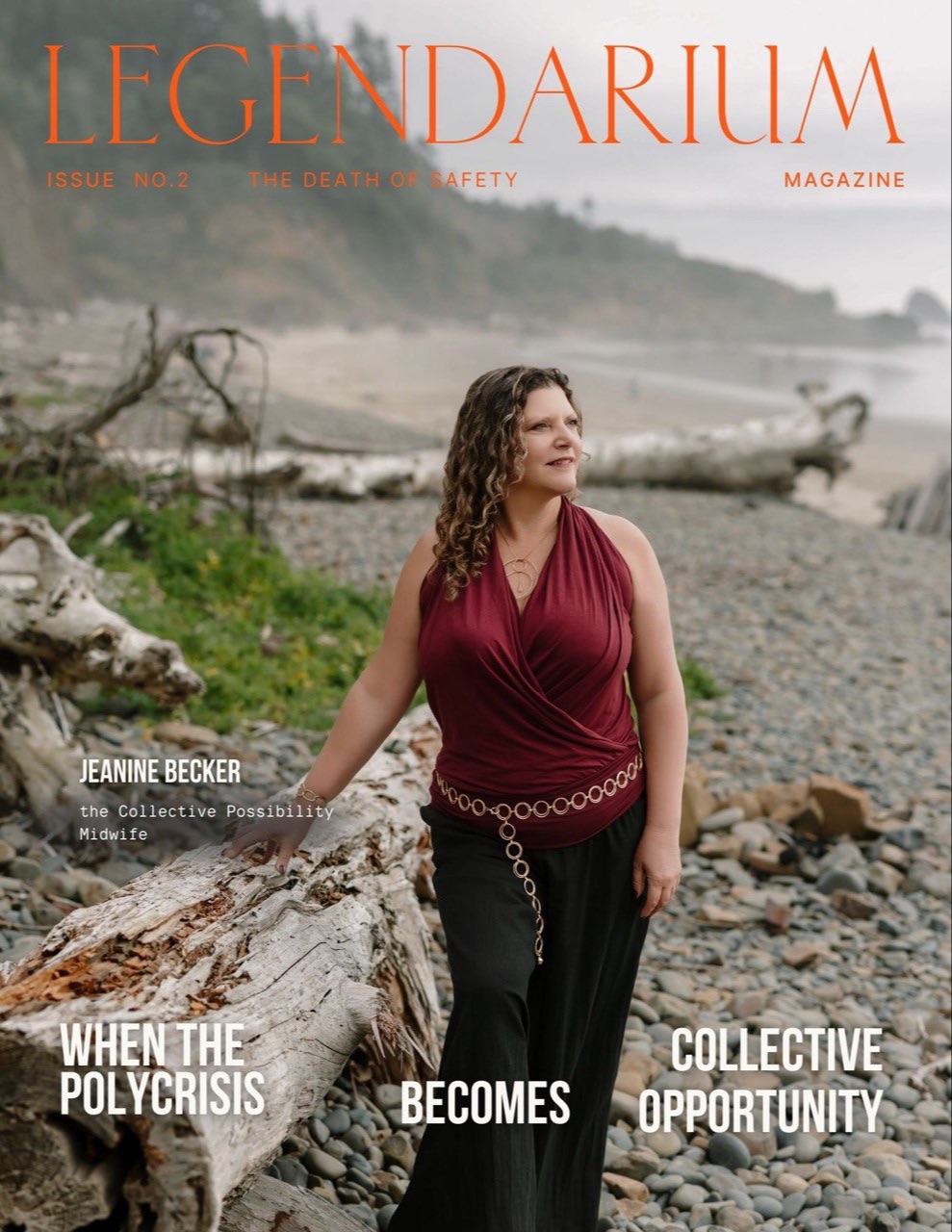
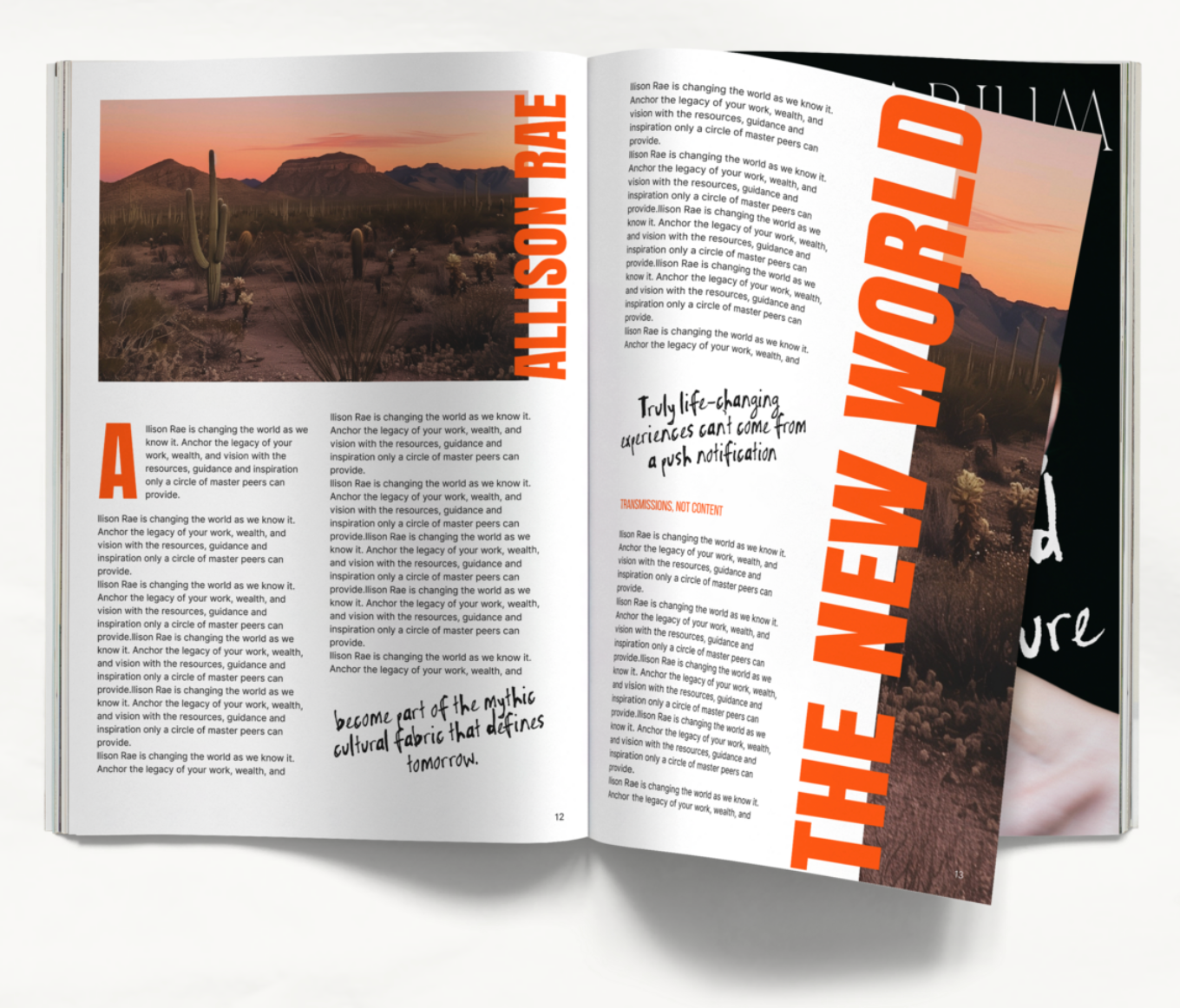
I’m on the cover of Legendarium Magazine.
Legendarium is a magazine devoted to what it calls the third mountain — the terrain we enter when the old measures of success no longer fit, and we’re asked to live, lead, and create from a deeper place.
It doesn’t celebrate hustle or personal brand. It’s interested in thresholds. In the inner and outer crossings that happen
when certainty breaks down and something truer begins to take shape.
That’s why being invited onto the cover of Legendarium —
and into conversation through this piece — feels so meaningful. Not because it’s visibility, but because this magazine is asking the same questions I live inside:
What happens when the stories that once held us stop working? How do we lead when the ground is shifting beneath our feet? What becomes possible when we pause, stay present, and let complexity change us rather than harden us?
This essay — about leadership, motherhood, danger, grief, and collective responsibility — was written from the center of my life. And from the center of my work.
Why this page exists
This essay was published as a cover feature in Legendarium Magazine, where it lives behind a paywall that supports their commitment to meaningful, intentional community. And if what you read above draws you to want to know more, I invite you to click the button below to join Legendarium.
I’m sharing it here as well though because the questions it holds feel bigger than any one publication. They belong to this moment — and to the people navigating it. And I am so grateful to be able to share part of my feature, my essay below with you.
You’re invited to read, sit with, and share it in whatever way feels true.

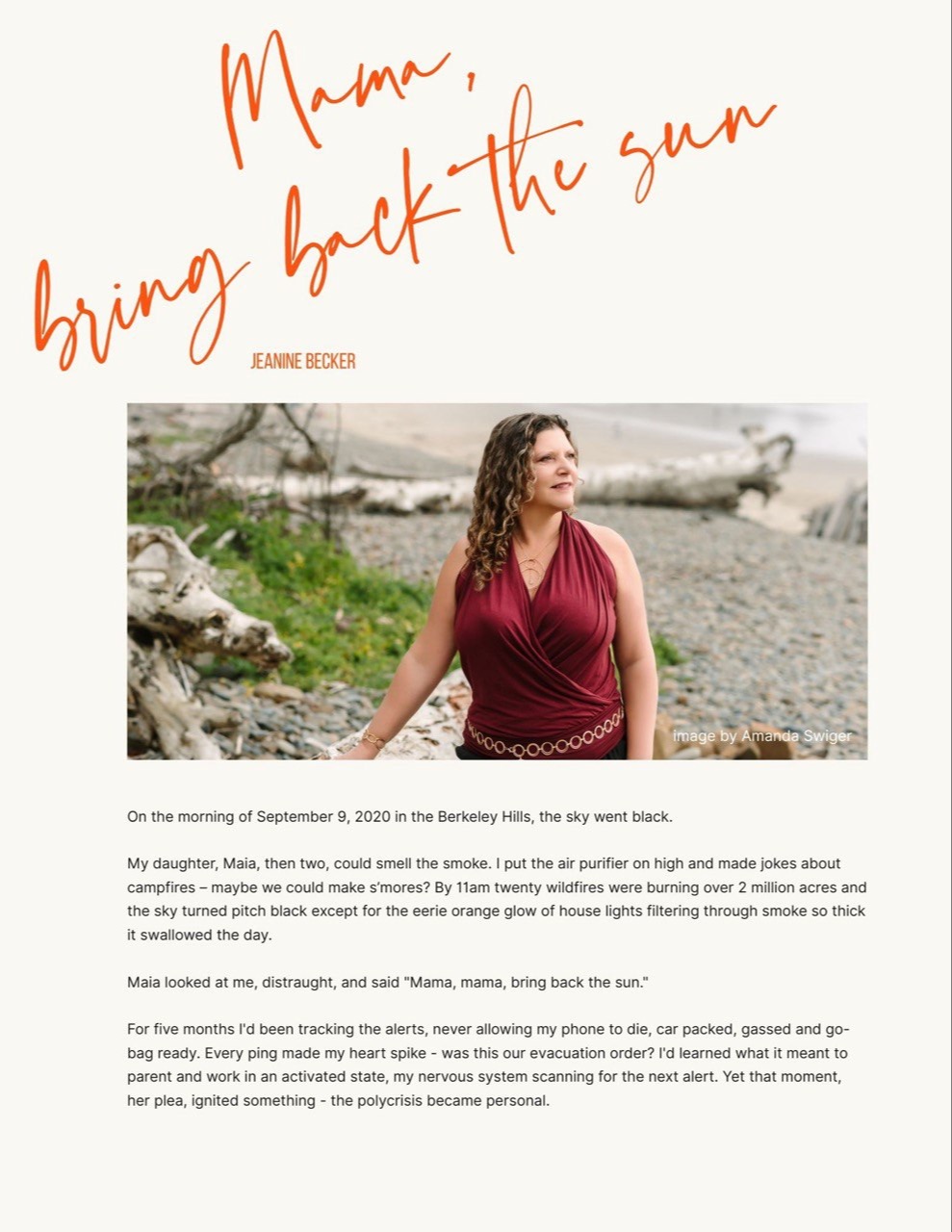
MAMA, MAMA
BRING BACK THE SUN
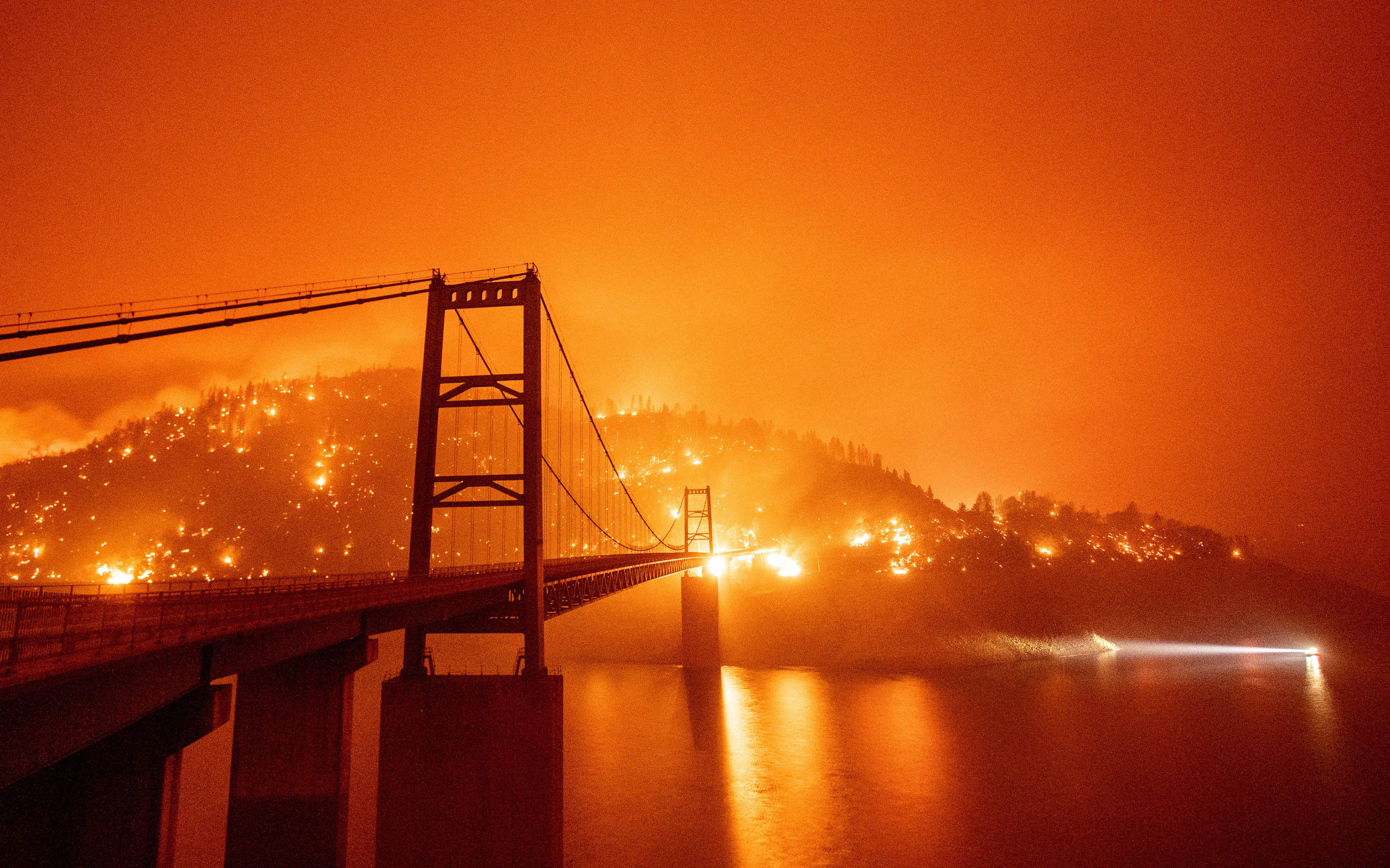
On the morning of September 9, 2020 in the Berkeley Hills, the sky went black.
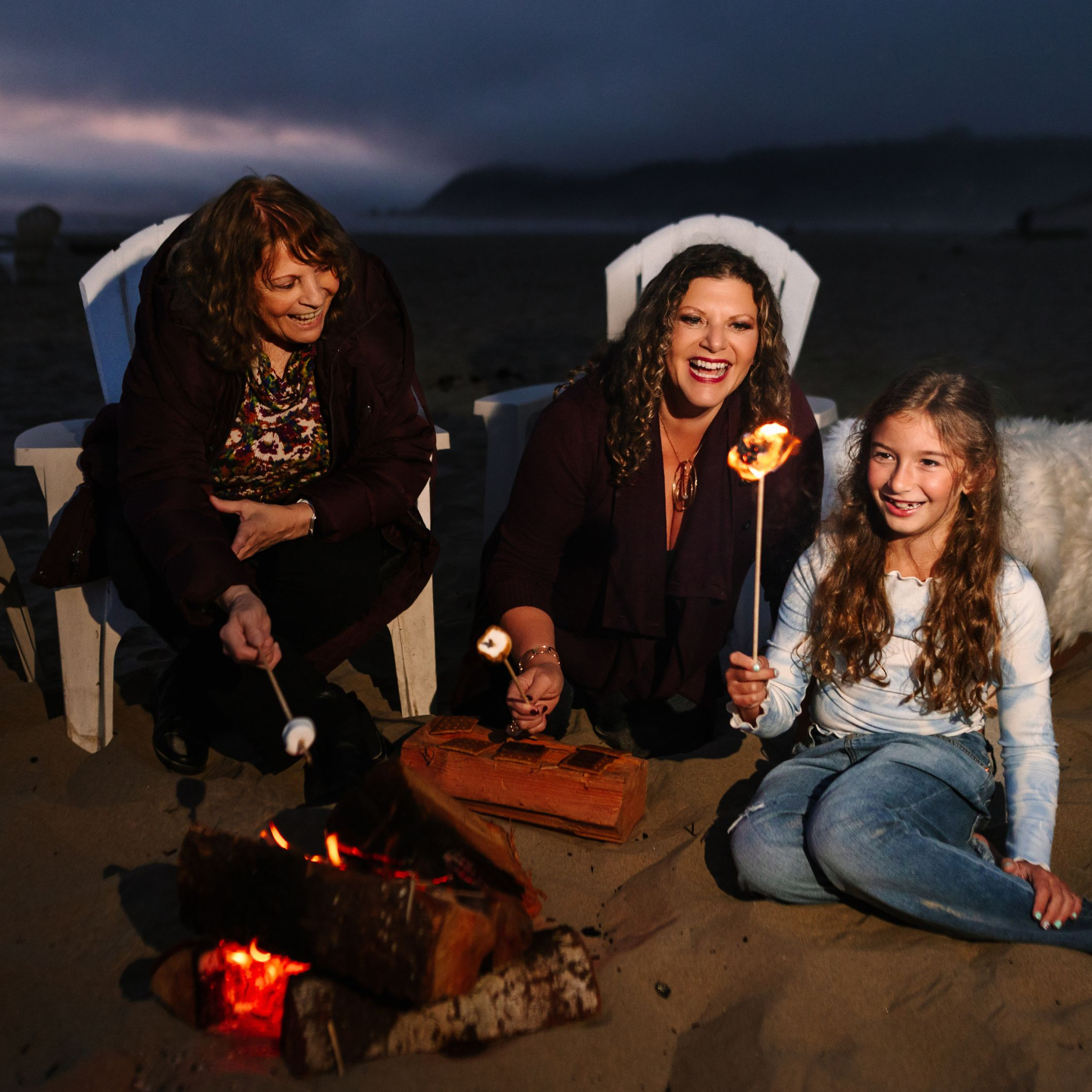
Maia, then two, could smell the smoke. I put the air purifier on high and made jokes about campfires – maybe we could make s’mores? By 11am twenty wildfires were burning over 2 million acres and the sky turned pitch black except for the eerie orange glow of house lights filtering through smoke so thick it swallowed the day.
Maia looked at me, distraught, and said "Mama, mama, bring back the sun."
For five months I'd been tracking the alerts, never allowing my phone to die, car packed, gassed and go-bag ready. I'd learned what it meant to parent and work in an activated state, my nervous system scanning for the next alert.
Yet that moment, her plea, cracked something open - the polycrisis became personal.
When Maia asked me to bring back the sun, I recognized the great privilege I had: we could move. We left California within months. Safety, I was realizing, had always been a story some of us got to tell ourselves while others lived with precarity as their daily truth. And yet even with that privilege, I couldn't escape what was coming. The danger that was always real for some was now touching all of us—unequally, but undeniably. This is the forge.
I'm writing this for the leaders who know what I knew that morning—that we've been living inside a myth. The myth that if we work hard enough, lead well enough, build the right strategies, we can keep those we love and those we serve safe. The myth that individual excellence and effort, the contribution of you and your team is enough.
This is about what leadership must become when the ground is shifting, when systems we built our lives inside are collapsing—and you realize you cannot do it alone.
The leaders I work with are living their own versions of this moment, not black skies, perhaps, but systems collapsing, certainties crumbling, stakes rising. And they’re discovering the same truth - to meet this moment - more is needed than they can do alone.
Danger Is the Forge
This polycrisis isn't just complex, it's cascading. And the danger is both real and a forge, revealing what safety never could: that we need each other.
A foundation leader came to me in urgency. She works with immigrants and refugees—her team includes people with lived experience, personally activated by political threats. She had a plan: raise $1 million fast. She noted, the need was obviously bigger than her team could meet, but that amount felt feasible.
"Sometimes I feel like I'm so in the practical," she said, "it's hard to see possibility."
In our Bold Pause session, we slowed down. What are you hoping to accomplish? What's actually needed? What would it take—not just from you and your team but from others?
With that pivot, she discovered a new intention—$2.5 million. Then she brought that inquiry to her team: What's needed? The number grew to $3.5 million.
And she raised $3.5 M within a week. Three and a half times her original plan.
But here's what shifted beyond the dollars: "When I started to think not just what money do we have, but what do we need." She brought in the policy team programs team, started conversations with other funders. "We're part of a much larger ecosystem. "
The pivot was from "what can my team do?" to "what does the ecosystem need?" From individual vision and action to collective intelligence - and collective resources.
The Individual Is No Longer Sufficient
Here's the truth my clients are living: You need to become as complex as the problem you're trying to solve. And no one human can hold the complexity we're facing now.
That's not a failure. It's the invitation.
The shift from "individual is insufficient" to "collective is necessary" is a shift in the way we make meaning right now - and it is a shift in psychological development.
- Self-authoring leaders think: I need to build a better system, set clearer goals, be more strategic. And in this moment they might come to an edge where they reckon with a sense that - I’m not enough, even with my expertise and my resources - I can’t know enough or do enough right now.
- Self-transforming leaders think: My perspective is partial. The system that's needed will emerge from collective intelligence. My role is to create conditions, not control outcomes.
The complexity we're facing literally exceeds what one leader can hold. That's a developmental reality. And it's why danger becomes forge: the heat of this moment and your desire to meet it changes how you see your role - the foundation for your strategy.
Donella Meadows identified paradigm shifts among the highest leverage points in systems change. The shift from "I must have all the answers" to "I create conditions for collective intelligence and collective resource" is where personal growth meets strategy
For some leaders, this realization brings relief. My foundation client wasn't burdened by the bigger vision—she was freed by it. It opened the door to her expanded vision, allowed for possibility, and aligned with her identity as a convener within a broader ecosystem.
For others, it is confronting. Releasing the role of the expert, the one with answers and a defined long-term plan is an identity shift. You might know that what got you here won’t get you there but you might still grieve for who you’ve been and need to redefine how you contribute.
A Slack SVP told me after three years of coaching: "I am way more comfortable putting important responsibilities on other people in my org. Knowing that if I can help coach them leading that initiative—they might do it better than I." He identified the biggest lever for change and gave his teams a directive—improve first contact resolution—but no commentary on how. Each team experimented. "People who might be under the radar [spoke] up." The result? "Our team has never executed with this much collaboration or care."
From expert to convener. From answers to questions. From proving to presence. These soft skills—are now strategic necessities.
How courageous collective action begins
The work now is knowing how to create the conditions for collective intelligence to emerge and collective resources to flow.
First came the internal shift—how you see yourself and your role. Now comes the external work: who do you invite in? And into what vision?
Once the Foundation leader put her attention on the ecosystem—the broader need and the bigger possibility—she began answering two questions: Who else is needed? And how do we create the conditions for them to imagine with us?
Who else is needed?
Relationships are infrastructure. Another client at a global health foundation proved what's possible: facing proposed cuts that would have slashed measles programs by 30%—representing half of all health impact cuts across global vaccine funding—she didn’t just have better data. She had relationships. She called the right people to the table. Board members. Decision-makers. Result: cuts reduced by half, with a path toward restoring full funding.
The leader is activating the same infrastructure now. Having conversations with other funders, sharing her story, connecting across the ecosystem. She’s sparking opportunities to collaborate and move more resources.
But gathering the who is only the first question.
How do we help them dream?
We are in a liminal time. Systems are collapsing or being dismantled. New experiments are rising—and my clients aren't in think tanks dreaming in a vacuum. They're engaged with communities today, feeling the heartbreak alongside a sense of possibility.
Adrienne Maree Brown writes, "We are in an imagination battle." The question isn't whether to respond to what's breaking—it's whether we'll only react and band-aid, or whether we'll pause long enough to imagine what could be built instead.
For Lea, this meant reaching out to grantees, other funders, partners—all while holding her own team. Many are themselves immigrants or refugees. Regardless of lived experience, they were all committed and impacted. Scared, heartbroken, activated. Doing this work amidst ongoing ICE raids.
In the middle of all this convening, she came into a session frustrated that all she was doing was "holding space."
But holding space is critical work.
The collapse is fast. The cascading impacts now are relentless. This isn’t the kind of organizational change you’ve navigated before. The scale, the speed, the stakes – this moment is different. Now you can’t turn down the volume on grief and stay in possibility. If you want to feel deep joy, the sense of what can be, you have to be willing to feel it all.
Holding paradox – heartbreak and possibility – is both psychological development and strategic necessity. Resourced leaders with teams and budgets can gather the who—set the table. But their deeper role is to set the state: to be grounded enough that when their teams and partners are scared, heartbroken, activated, they can help them see beyond what’s feasible into what’s possible.
What Lea offered to her team, to her partners, to other funders—wasn't just resources. It was presence. The capacity to hold both the heartbreak and the vision of what could be built.
A client who leads an urban design firm says it plainly: “Vision is a collective effort.” She brings stakeholders to the table, city officials, developers, community members - to imagine shared space together. The vision emerges from the whole.
This moment—of grief, growth, and great change—demands this. The polycrisis isn't asking us to feel less or do less. It's asking us to hold more, together.
Gathering the who and setting the state - this is where courageous collective action begins. The wayfinding that follows—navigating constraints, discerning your part, stewarding both the hospicing and the dreaming—that's the daily work of leadership now.
I made jokes about s'mores that morning in the black sky, trying to ease my daughter's terror while the fires burned. But fire isn't only destruction. Fire is also hearth—the place humans have gathered since the beginning to share food, tell stories, tend each other through dark nights.
The fire of this moment—climate collapse, systems breaking, uncertainty rising—this is the forge. The heat that's reshaping us. And your calling to meet it, that desire you feel to make a difference even when it seems impossible? That's fire too. Your own heat, your aliveness when the issues are complex and the stakes matter – when your skills are fully used and you’re stretched.
You're not managing anymore. You're wayfinding. Holding paradoxes: How do I stay true to vision while adapting? How do I stay inclusive while being decisive? How do I hold grief and possibility at once?
But what if this moment is here for you? Inviting you to trade the myth of safety and enough for the forge of danger and courageous collective action.
You are not enough. And that is perfect. That is the invitation.
Your vision is too big to achieve alone. Your perspective is partial. The systems needed will emerge from collective intelligence and collective resources.
We cannot bring back the sun Maia asked for that morning. But we can tend the fires we have. We can gather. We can create moments of delight even in darkness. Especially in darkness.
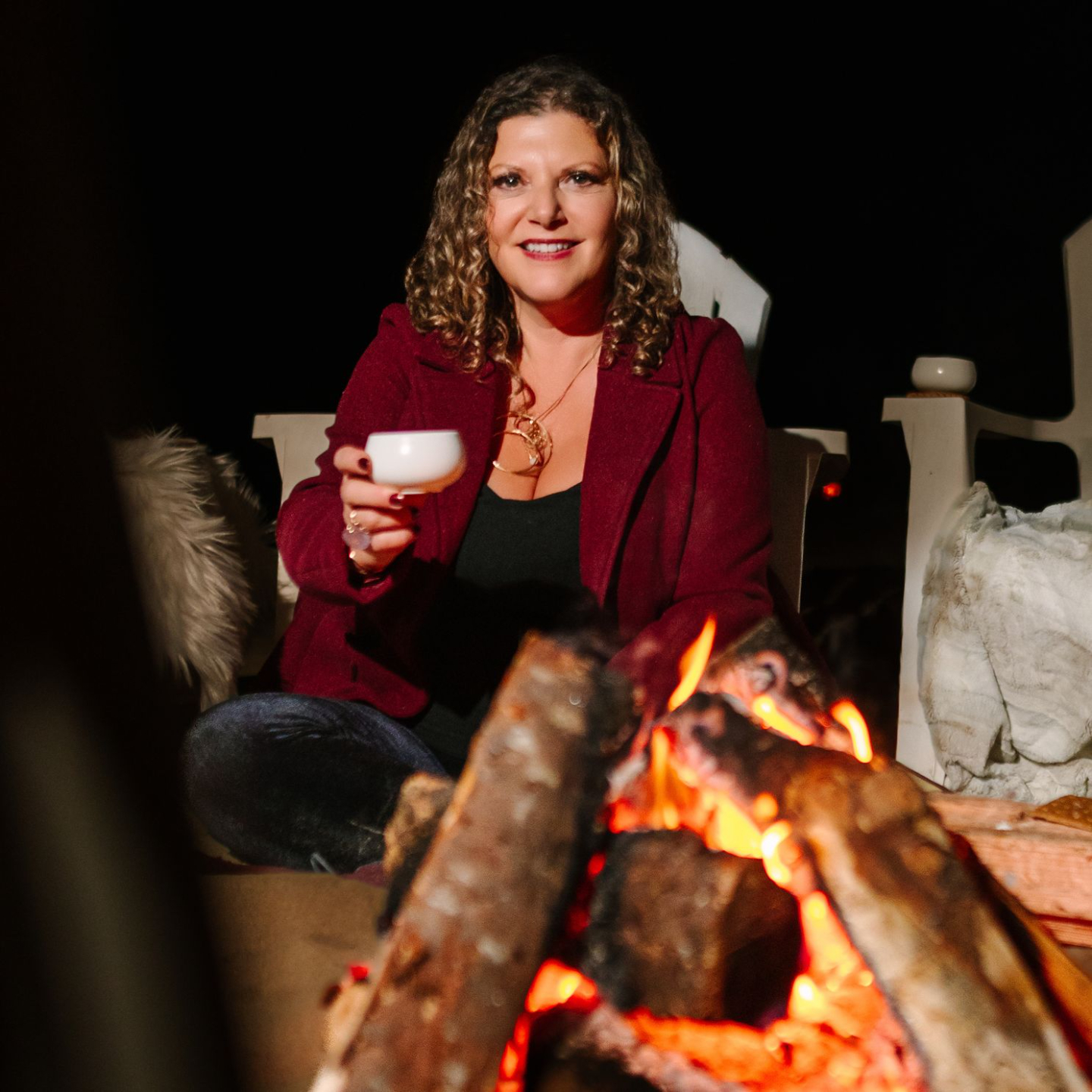
Come to the hearth. Bring your vision. Bring your grief. Bring your impossible questions and your partial answers. Bring your heat.
On Purpose Together.

If this resonated, I invite you to check out...

Fire That Gathers
Fuel for purpose-led leaders forging what’s next. Each episode is a short, catalytic spark.
5-15 minutes. These audios are raw and real time and live where personal growth meets strategy—taking you from question to insight, desire to direction, spark to strategy and your very next step.

The Collective Counsel
A year-long counsel for founders, funders, and executives who know their vision is needed and can feel it stretching you.
You've done leadership work. The strategy work. Personal growth.
This is different. It's the integration.